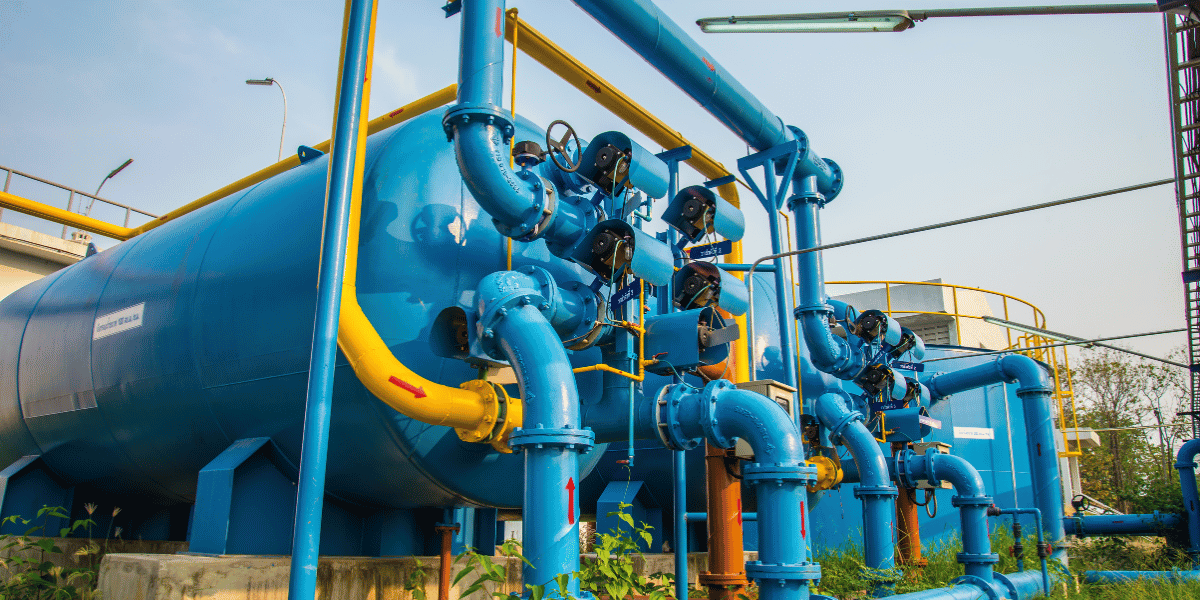
For rural homes, cottages, farms, and seasonal properties, water is not always as simple as turning on a tap connected to a municipal supply. Many properties rely on private wells, pumps, pressure tanks, filtration equipment, water softeners, and treatment systems that all need to work together. When the system is running properly, daily water use feels easy. When something changes, the signs can quickly become frustrating.
A property owner may notice orange staining around sinks or toilets, cloudy glassware, mineral buildup on fixtures, low water pressure, sediment in filters, or an unusual smell from the tap. These issues may seem separate, but they often point to a water system that needs a closer look. In rural and cottage settings, water conditions can vary from property to property, so the right solution should be based on the actual source, equipment, and usage.
For property owners looking into rural water treatment services, the best starting point is a practical assessment. A good water plan should not be based on guessing. It should consider water quality, water pressure, existing equipment, seasonal use, and long-term maintenance needs.
Private Water Systems Are Different From Municipal Water
Municipal water systems are managed through a centralized process before the water reaches homes and businesses. Private water systems work differently. A rural home or cottage may have its own well, pump, pressure tank, filtration, softening, and treatment equipment. This gives the property owner more responsibility for understanding and maintaining the system.
Private water can be affected by natural minerals, iron, sediment, hardness, odour, pH changes, and other conditions. These concerns may not appear the same way at every property. One home may struggle mostly with hard water. Another may deal with iron staining. A cottage may have seasonal pressure issues. Another property may need sediment control to protect equipment and fixtures.
Because conditions vary, a simple one-size-fits-all filter may not solve the problem. The system should be reviewed as a whole so the solution matches the water source and the way the property is used.
Water Issues Often Show Up Through Everyday Signs
Water problems are often noticed through regular household routines. A shower may not feel as strong as it used to. A sink may develop stains even after cleaning. A dishwasher may leave spots on glassware. Laundry may not feel quite right. A filter may clog faster than expected. Water may look cloudy, smell unusual, or leave buildup on faucets and fixtures.
These signs matter because they can point to different causes. Hard water can create scale and spotting. Iron can create orange or brown stains. Sediment can create grit, cloudiness, and filter buildup. Odour may come from different water conditions or system issues. Low pressure may involve the pump, pressure tank, clogged filters, or plumbing restrictions.
The visible problem is only the starting point. Treating stains without addressing iron may lead to repeated cleaning. Replacing a filter without understanding sediment may only offer temporary relief. A good plan looks at the cause behind the symptom.
Water Testing Helps Avoid Guesswork
Water may look clear and still contain minerals or characteristics that affect daily use. It may also look unpleasant for different reasons, which means the solution depends on what is actually happening in the water. This is why testing and assessment are important.
Water testing can help identify issues such as hardness, iron, sediment, pH concerns, odour-related factors, and other water characteristics. Once the results are understood, the treatment plan can be more specific. The property may need softening, filtration, iron treatment, UV equipment, pump support, pressure tank service, or a combination of different solutions.
Testing helps property owners make better decisions. Instead of buying equipment based on assumptions, they can choose a setup that fits the actual water conditions and property needs.
Hard Water Can Make Daily Cleaning More Difficult
Hard water is a common concern for many rural and cottage properties. It usually refers to water with higher mineral content, often calcium and magnesium. While hard water may not always seem serious, it can create daily frustration.
Property owners may notice spots on dishes, cloudy glassware, scale around faucets, buildup in showers, and residue on sinks or tubs. Soap may not lather as well, and cleaning may feel harder than it should. Over time, mineral buildup can also affect appliances, plumbing components, and fixtures.
A water softener may help reduce the effects of hard water, depending on the water test results and the system setup. Proper sizing matters. A full-time rural household with several people, laundry use, and multiple bathrooms may need a different system than a seasonal cottage used mainly on weekends.
Iron Staining Requires the Right Treatment Approach
Iron is one of the most visible and frustrating water concerns for private well users. It can leave orange, red, or brown stains around sinks, tubs, toilets, laundry areas, and fixtures. It may also affect the taste, smell, or appearance of water. Property owners may clean the stains again and again, only to see them return.
Iron issues should be treated carefully because not all iron problems are the same. The right approach can depend on the amount of iron, the type of iron, the water chemistry, and the rest of the system. Some properties may need dedicated iron filtration. Others may need treatment combined with sediment filtration, softening, or other equipment.
The goal is to reduce the cause of the staining, not only clean the surface. When the system is planned properly, property owners can reduce repeated frustration and make daily maintenance easier.
Sediment Can Affect Water Clarity and Flow
Sediment can appear as grit, particles, cloudiness, or buildup in filters and fixtures. It may come from the well, plumbing, or natural conditions around the water source. Even small amounts of sediment can become frustrating if filters clog often or fixtures lose flow.
Sediment filtration can help protect other parts of the water system. If sediment reaches softeners, appliances, pumps, or fixtures, it may create extra maintenance needs. In some systems, filtration before other equipment is important because it helps the rest of the setup perform more effectively.
The right sediment solution depends on how much material is present and what type of sediment is involved. Some properties may need a simple filter, while others may need a more complete filtration setup. Assessment helps determine what makes sense.
Pumps and Pressure Tanks Are Part of Water Comfort
Water quality matters, but so does water delivery. A home or cottage can have treatment equipment in place and still feel frustrating if the pressure is weak or inconsistent. Private water systems rely on pumps, pressure tanks, plumbing, and treatment equipment working together.
A pump may be aging or not keeping up with demand. A pressure tank may need service. A clogged filter may be reducing flow. Plumbing restrictions may affect performance. Treatment equipment may need adjustment. Because these issues can overlap, it is important to look at the whole system rather than assuming one cause.
Good pressure and flow are part of everyday comfort. Showers, laundry, dishwashing, cleaning, and outdoor use all depend on a system that can deliver water reliably.
Cottage Properties Often Have Seasonal Water Needs
Cottage water systems may not be used the same way as full-time residential systems. Some cottages are opened in spring, used heavily in summer, visited on weekends, and closed before winter. Others are used throughout the year but still experience changing demand depending on guests, weather, and seasonal routines.
Seasonal use can affect pumps, filters, pressure tanks, plumbing, and treatment equipment. A system that sits unused for long periods may need inspection before regular use begins. Filters may need replacement. Pumps may need to be checked. Lines and equipment may need attention during opening and closing.
For cottage owners, preparation can make visits much more comfortable. A water problem during a weekend stay or family gathering can quickly become stressful. Planning ahead helps reduce surprises and supports a more enjoyable property experience.
Rural Homes Need Systems That Can Handle Daily Demand
A full-time rural home places regular demand on the water system. Showers, laundry, cooking, dishwashing, cleaning, outdoor use, and family routines all depend on reliable water. If the system is not properly sized or maintained, small issues can become daily frustrations.
A rural household may need equipment that can handle consistent use. A softener should be sized for the home’s water demand. Filters should match the water conditions. Pumps and pressure tanks should support regular flow. If the household grows, renovations add bathrooms, or water usage increases, the system may need to be reviewed.
A good rural water system should feel practical and dependable. It does not need to be complicated, but it should be planned around the property’s actual needs.
Maintenance Helps Protect the System Over Time
Even the right water treatment system needs maintenance. Filters need replacement. Softeners need salt and occasional checks. Pumps and pressure tanks may need service. Treatment equipment may need cleaning, adjustment, or inspection. When maintenance is ignored, performance can decline gradually.
A clogged filter can reduce pressure. A softener that is not working properly can allow hardness problems to return. A pump issue may become more serious if early warning signs are missed. Regular maintenance helps property owners catch small problems before they become larger and more disruptive.
Maintenance also helps owners understand their system better. When equipment is checked consistently, it becomes easier to notice changes in pressure, water quality, filter life, or daily performance.
The Right Water Equipment Depends on the Property
There are many types of water treatment equipment, but the right setup depends on the property. A seasonal cottage with iron staining may need a different system than a full-time rural home with hard water and heavy daily use. A property with sediment may need filtration before other equipment. A home with pressure issues may need pump or tank support before treatment can perform properly.
Choosing equipment without understanding the water and system can lead to poor results. A system may be too small, too large, too limited, or not suited to the actual concern. A better approach considers the water source, test results, existing equipment, plumbing layout, water usage, and long-term maintenance.
The best system is the one that solves the real problem in a practical way. It should fit the property, support daily use, and be manageable over time.
Good Water Treatment Supports the Whole Property
Water affects nearly every part of a rural home or cottage. It touches plumbing, fixtures, appliances, laundry, bathing, cooking, cleaning, and outdoor routines. When water quality or pressure is poor, the whole property feels less comfortable. When the system works well, daily life becomes easier.
A thoughtful water treatment plan can help reduce common frustrations such as staining, scale, sediment, odour, and inconsistent flow. It can also help property owners care for their plumbing, fixtures, and equipment more effectively.
Property owners can learn more about rural and cottage water system support at https://mackinnonwatersundridge.com/.
Thoughtful Planning Creates Long-Term Value
A private water system should be planned with care because it affects comfort, maintenance, and long-term property use. The best results come from understanding the water source, testing the water, reviewing the equipment, choosing the right treatment, and maintaining the system over time.
Whether the property is a full-time rural home, seasonal cottage, family retreat, or older private well system, water deserves proper attention. It is one of the most important systems on the property, even when it is easy to overlook.
With thoughtful planning, a rural or cottage water system can become more reliable, more practical, and easier to live with. It can reduce repeated frustrations and help the property feel more comfortable through everyday use, seasonal visits, and long-term ownership.
